Identity context
Provided by identity and authentication systems.
- authenticated identity
- organisation
- role
- group membership
- service or machine identity
How It Works
From decision request to governed view.
Before a connected application presents information or permits an action, it sends a decision request to the Visibility Engine.
The engine evaluates the participant, requested action, information asset, approved task and current condition.
The visibility engine returns a structured decision defining what to show, what to withhold, which actions to permit and when the decision should be reviewed.
Participants only see what they need to know for their approved tasks.
The runtime sequence
Access control makes a decision at the point of entry. A visibility decision moves through a defined runtime sequence.
A connected system asks what this participant may see or do.
Identity, task, asset and environmental information are gathered from authoritative systems.
The engine determines which rules apply to the request.
The permitted information boundary is established.
The actions available within that boundary are calculated separately.
The engine sends the result to the connected system.
The application, service or workflow applies the decision.
The decision and relevant interaction events are captured.
A new decision can be requested when the underlying conditions change.
The visibility engine sits in the decision path. The connected system remains in the information and interaction path.
Every decision starts here
The engine does not decide whether a participant should have general access in the abstract. It evaluates a particular action involving a particular resource under a defined set of conditions.
What should this participant be able to see and do in this interaction?
What the engine draws on
The visibility engine does not invent the identity, task or business conditions behind a decision. It receives or resolves them through connected systems that remain authoritative for enterprise context.
Provided by identity and authentication systems.
Provided by project, workflow and business systems.
Provided by security and device systems.
Provided by the application or asset system.
The quality of the decision depends on the quality and availability of the context supplied to it.
How policy is applied
The visibility engine evaluates who is participating, what they are doing, which resource is involved and which conditions are true. The result is not simply allow or deny.
Request context
Policy 3.8
Evaluates the complete request
Governed result
Allowed into the task does not mean allowed to see the whole asset.
What comes back
The engine does not return visibility alone. It returns the information boundary, permitted actions, applicable conditions and evidence required by the connected system.
Decision contract
VD-20481
The information boundary for this interaction.
Show
Withhold
The actions available inside that boundary.
Permit
Restrict
All must remain true.
How long the decision stands.
Who enforces it
A decision only matters when it is enforced.
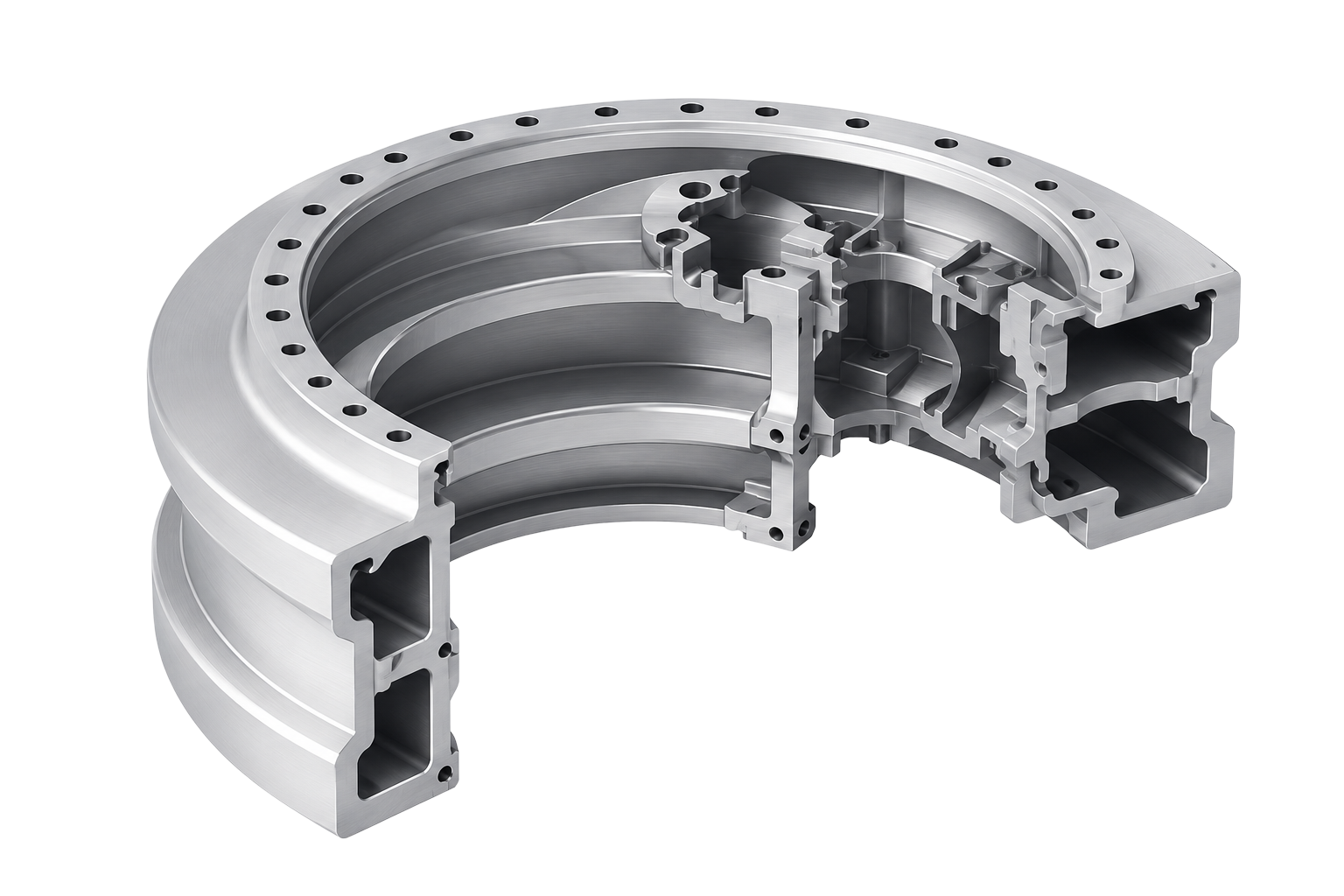
Turbine Housing
Approved component geometry and manufacturing information.
How enforcement adapts
A document, engineering model, dataset and AI workflow do not expose information in the same way. The decision model remains consistent. The enforcement method changes with the structure of the asset.
When it changes
Context changes. Risk changes. Tasks complete. Policies evolve. When that happens, the visibility engine can issue a new decision and the view is updated.
The Next Control Layer
It is deciding what becomes visible once they do.